Don't Forget the Accessories: Finishing Your Home's Design
Once the furniture is in place, it's the accessories — pillows, art, rugs, and lamps — that truly personalize a room and bring it to life.
Simplicity in interior design is a positive approach to any project. When the basic foundation of your home is complete — the structural work, the windows, the floors — you can begin addressing the functions a room needs to serve: seating, dining, sleeping. Once those functional pieces are in place, the embellishments and accessories that make a room personal and interesting fall more naturally into place.
Start With Function, Then Layer In Personality
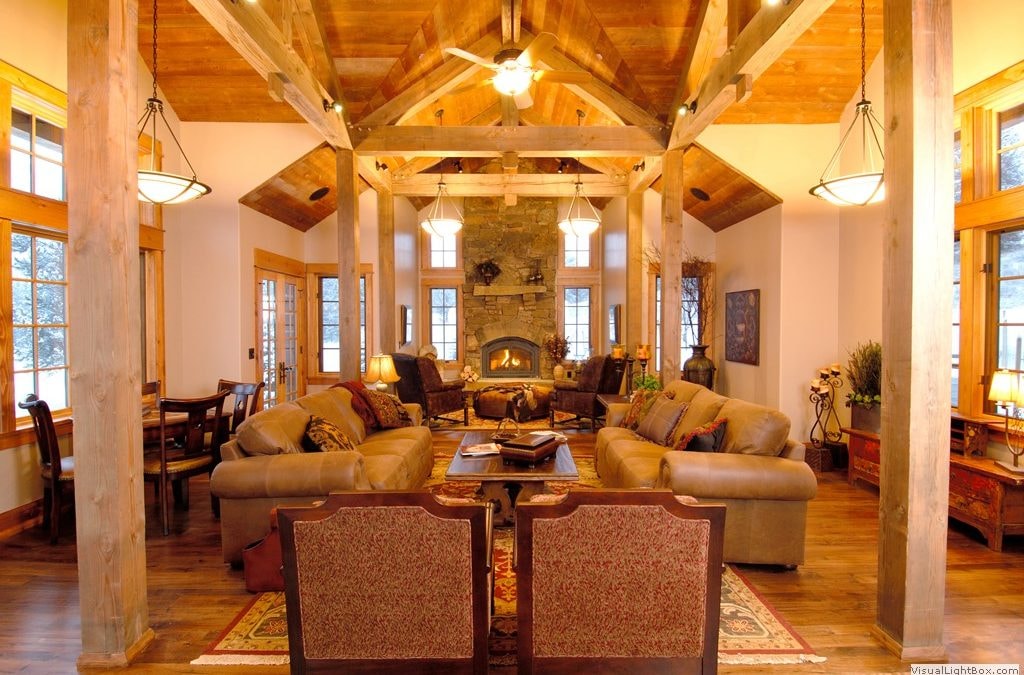
Let's take a living area as an example. We know we need to provide seating, so we start by selecting the type and quantity. In this case: a sofa and two chairs, floating in front of a rock fireplace.
Because there's a beautiful view out the window and the chairs will be positioned near it, we'd choose swivel chairs. This gives you the best of both worlds — you can face the conversation area by the fireplace, or turn to take in the view.
With the seating established, we add a cocktail table that serves double duty: a footrest for the sofa and a surface for drinks, books, and everyday life. A round table between the swivel chairs eliminates sharp corners and keeps the flow easy.
If there's room on either side of the sofa, end tables and lamps are a natural addition — provided you have accessible electrical outlets. A sofa table behind the sofa is another option that adds both function and visual depth.
Grounding the Room With a Rug
The last major foundational piece is the rug. This is what "grounds" the room and defines the conversation area. The rug should be large enough that most of the furniture sits at least partially on it — this visually anchors everything together and prevents the floating, disconnected look that comes from a rug that's too small.
With the major pieces in place, you now have a complete, functional room. But it isn't yet a personal room.
The Accessories That Tell Your Story
This is where many people give the least attention — and it's a missed opportunity. Yes, it's important that the sofa is comfortable and the console is the right size for your TV. But it's equally important that the pillows on the sofa carry a color that ties back to the painting on the wall — the one that's been in your family for generations.
The lamp shade echoes the border color in your area rug. The candle holders on the coffee table share the same design motif as the pattern in your chairs. These connections are subtle, but they're what make a room feel intentional rather than assembled.
Selecting a Style First Makes Everything Easier
There are many furniture styles to choose from, and once a direction is determined, the accent pieces follow much more naturally. Artwork, throw pillows, decorative objects — these are the touches that personalize a space and reflect the people who live in it.
A room that is put together thoughtfully will be comfortable for both the occupants and their guests for many years. Not because it chased a trend, but because the selections were made from personal taste and genuine connection to the space.
That's the difference between a room that looks designed and a room that feels like home.
Carina Russell is the principal designer at Rocky Mountain Design-Interiors, serving Livingston and Bozeman, Montana since 1978. Contact us to schedule a design consultation.
Explore Topics
Written by
Carina Russell
Content creator and writer sharing insights and stories.